Showing posts with label Realtor. Show all posts

Sunday, September 22, 2013

4 Pt Inspection Vs Home Inspection

Can you use a 4 Pt Inspection in place of a home inspection?  Many home buyers are under the impression that a 4 Pt Insurance Inspection is just a cheaper version of a Home Inspection.  The fact is they are not the same.  By opting to have a 4 Pt Inspection instead of a Home inspection, you must sign a waiver that you are waving your right to a home inspection.

A four point insurance inspection will be required by an insurance company for the purpose of obtaining a new insurance policy or renewing an existing policy.   A Four-Point Insurance Inspection is far less in scope than a standard home inspection.  It covers the information the insurance companies require on the four components that cause damage to a home when they fail. 

 
The Four Point Insurance Inspection is a limited, visual survey of the heating/air conditioning, roof, electrical and plumbing systems.  The purpose of the four point is to collect information for the insurance company about the systems age and condition and to note any safety concerns of these systems.
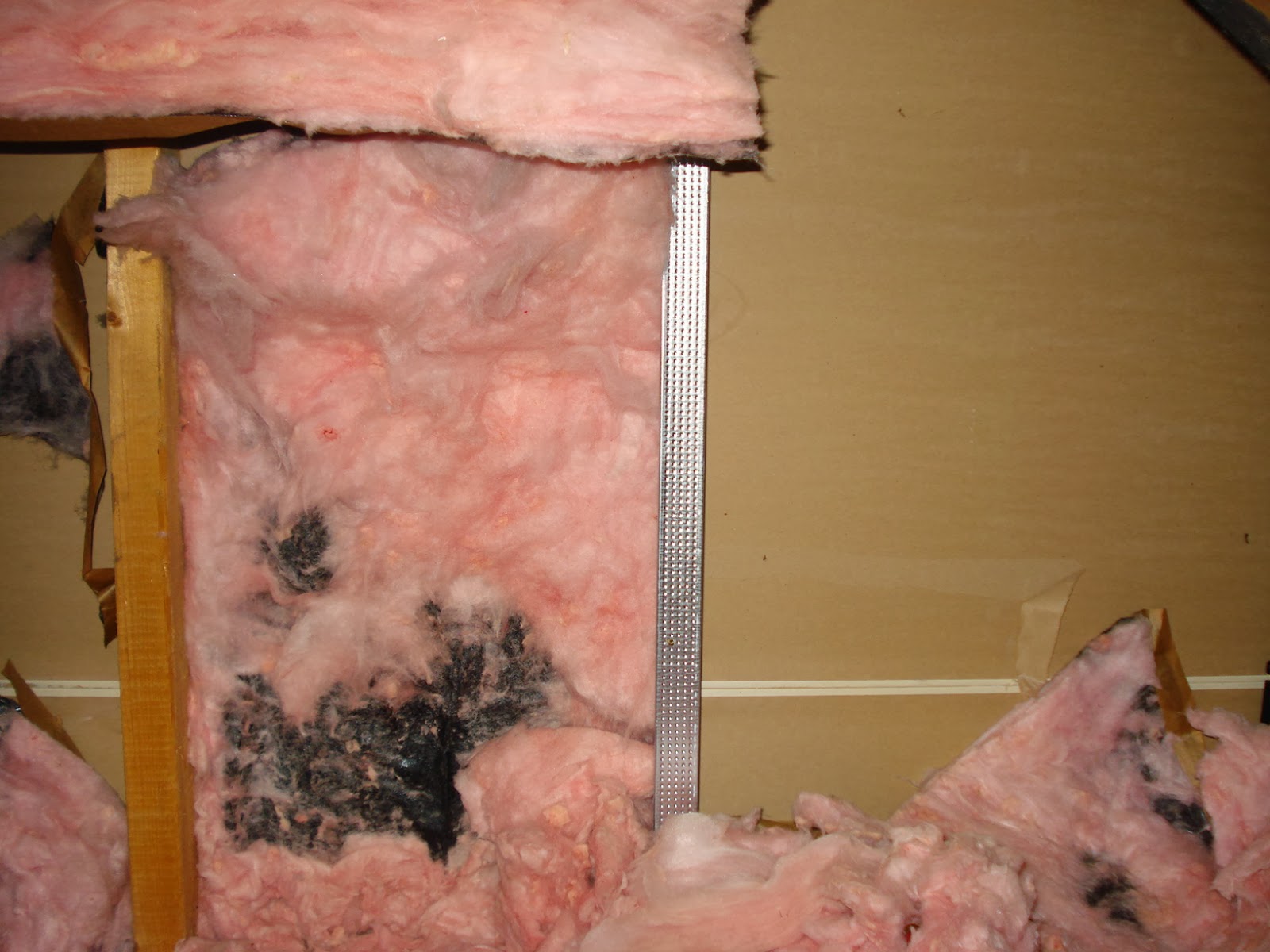
Insulation is one of many important systems not covered by a 4 Point Insurance Inspection.
A Home Inspection is a comprehensive snapshot of a house on the day of the inspection. It is a non-invasive, visual, and detailed evaluation of the property's structure, foundation or basement, interior, exterior, roof, electrical, plumbing and heating and cooling systems. The purpose of a home inspection is to detect major visible problems or defects and unsafe conditions.

The home inspection is used to assist a client in making a more informed purchasing decision.  It is often required by the finance or mortgage lender for the purchase of the home.  The inspector may also educate the buyer as to typical life expectancies, items to budget for replacement as well as how to take care of and maintain the property.

A four point inspection takes about an hour to complete and only covers four of the many systems of a house.  The home inspection takes many more hours to complete and is a considerably more detailed examination of the entire home and all of its accessible components.

It is the opinion; of this home inspector, that conducting a four point inspection for the purpose of purchasing a home is much the same as sending a $40,000 dollar second-hand car to the mechanic to inspect the tires prior to purchase.  The mechanic has the knowledge to tell you everything about the car and its systems but if you only ask him to check the tires, that’s all you’re going to get.  Much the same with the home inspection if you opt to only have a four point inspection, that is all the information you will get and you are waving your right to a home inspection.


Frank Carr is the Owner / Inspector at First Choice Home Inspections in Deltona, FL serving Volusia, Seminole, Orange and Lake Counties.  Formerly in the building trades, Frank’s focus is a safe home and building FCHI. We believe that consumers have the right to expect the highest standards of thoroughness, fairness and effectiveness from their home inspector and that is exactly what we provide.
First Choice Home Inspections 
(386) 624-3893
Email:  home.inspections@aol.com
Website:  Http://www.1homeinspector.com

Friday, June 14, 2013

Clothes Dryers, A Leading Cause of Home Fires in Orlando.

Clothes dryers have become an indispensable part of American family life.  Today, people are not aware that clothes dryers are a leading cause of fires in the home – approximately 15,000 every year.   It is important to rigorously inspect and clean dryers.  A little preventative maintenance can keep them in good working order and keep your family safe.


Causes of dryer fires?
One of the most common causes of dryer fires is lack of maintenance.  When lint traps do not get cleaned as often as they should be, the resulting build-up in the screen or other areas can cause the dryer to perform poorly, operate at elevated temperatures and possibly overheat with dangerous results.  Vent systems must also be checked and cleaned to maintain proper air flow for the same reasons.  The floor area surrounding the dryer must be lint, dirt, and clothes free.  A lint ball, sock or clothing item can easily be sucked from the floor in front or beside your dryer into the heating coils igniting it and the lint in your dryer vents.

Problems also occur when people place improper items in their dryers, such as foam backed rugs or athletic shoes.  Ensure whatever you put in your dryer is approved and safe to place in a dryer.  When in doubt, check the washing instructions on the tag of the clothing or consult the manufacturer’s website for more information.  Plastic or vinyl exhaust vent materials should never be used.    

Reduce your risk of dryer fires!
Ensure that your dryer has rigid or flexible metal venting and ducting materials to help sustain airflow. This will also reduce operating costs and extend the life of the dryer and clothing due to lower drying temperatures.

In addition:

  • Clean the lint trap before or after drying each load of clothes.
  • Don’t forget to clean the back of the dryer where lint can be trapped.
  • Ensure the floor around your dryer is free of debris, lint and clothing.
  • The interior of the dryer and venting system should be cleaned periodically by qualified service technician.  If drying time is longer than normal, clean the vent system thoroughly to ensure proper airflow.
  • Replace plastic or vinyl exhaust hoses with rigid or flexible metal venting.
  • Do not dry clothes or fabric on which there is anything flammable (alcohol, cooking oils, gasoline, spot removers, dry-cleaning solvents, etc.). Flammable substances give off vapors that could ignite or explode. 
  • Gasoline should not be stored near dryers or water heaters and should only be stored in approved containers.
  • Read manufacturers’ warnings in use and care manuals that accompany new dryers.  Warnings can usually be found on the inside of the dryer’s lid and take only minutes to read.


Did you know that?

  • Clothes dryers can be found in 80 percent, or 81.5 million homes throughout the United States.
  • A full load of wet clothes placed in a dryer contains about one half gallon of water.  Lint is created from the clothes as water is removed.
  • Clothes dryers are one of the most expensive appliances in your home to operate.  The longer it runs the more money it costs you.
  • The U.S. Consumer Product Safety Commission (CPSC) estimates that 15,500 fires associated with clothes dryers occur annually. These fires account for an average of 10 deaths and 310 injuries and more than $84.4 million in property damage annually.


In the opinion of this home inspector, you should pay careful attention to the maintenance and cleaning of your clothes dryer.  Be careful to remove lint before or after every use.  Preform a detailed cleaning monthly and call in a appliance technician annually to clean and maintain your dryer.  Out of sight lint can go unnoticed until it is too late and fire breaks out.  Protect yourself, your family and your home; a home fire can take all you hold precious.  

Frank Carr is the Owner / Inspector at First Choice Home Inspections in Deltona, FL serving Volusia, Seminole, Orange and Lake Counties.  Formerly in the building trades, Frank’s focus is a safe home and building FCHI. We believe that consumers have the right to expect the highest standards of thoroughness, fairness and effectiveness from their home inspector and that is exactly what we provide.


First Choice Home Inspections 
(386) 624-3893
Http://www.1homeinspector.com